
Weekly Update
Exercising in hot weather; some practical tips
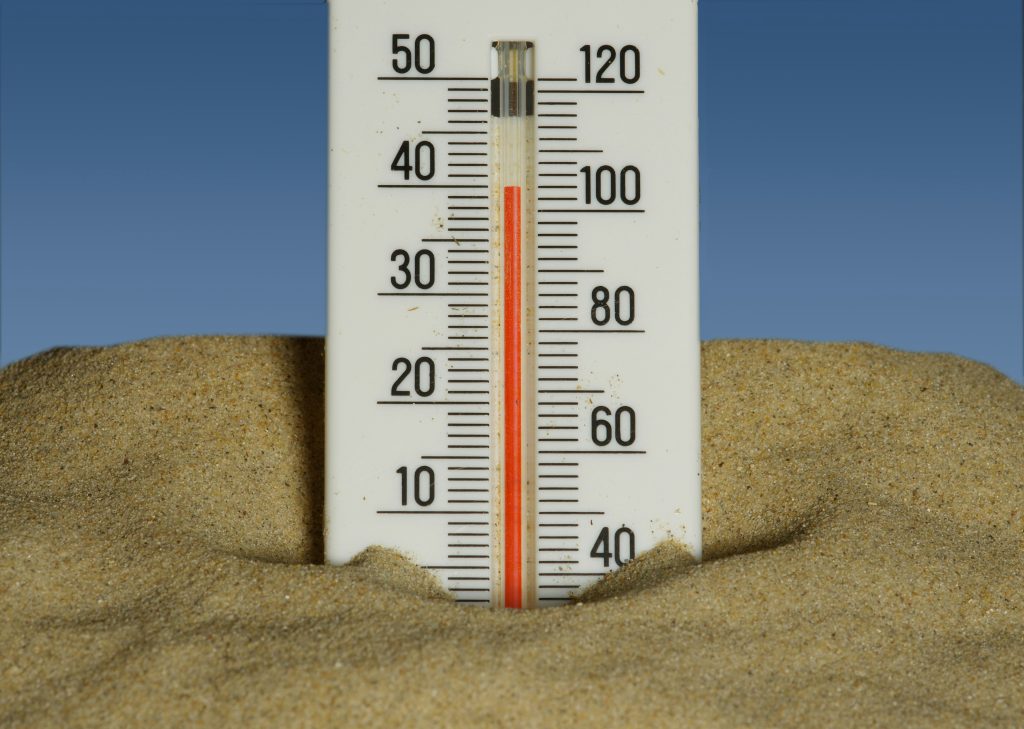
When the weather warms up, many people enjoy taking their exercise outdoors.
Whether it’s walking, running, cycling or simply being more active, sunshine can be a great motivator.
However, exercising in hot weather places additional demands on the body.
The good news is that with a few simple adjustments, you can continue to enjoy movement safely throughout the summer months.
Why Does Exercise Feel Harder in the Heat?
When we exercise, our body naturally generates heat.
In warmer conditions, the body has to work harder to cool itself through sweating and increased blood flow to the skin.
As a result, you may notice:
- A higher heart rate
- Increased sweating
- Feeling tired more quickly
- Reduced exercise performance
- Greater risk of dehydration
This is completely normal and not a sign that you’re losing fitness.
Choose the Right Time of Day
One of the easiest ways to stay safe is to avoid exercising during the hottest part of the day.
Early mornings are often ideal, offering cooler temperatures and less direct sunlight.
Evenings can also be a comfortable option once temperatures begin to drop.
If possible, avoid strenuous exercise between 11am and 4pm.
Hydration Matters
Hydration isn’t just about drinking water during exercise. It starts long before your workout begins.
Try to:
- Drink regularly throughout the day
- Carry water when exercising outdoors
- Take regular sips rather than waiting until you’re thirsty
- Replace fluids after exercise
During prolonged activity or excessive sweating, replacing electrolytes may also be helpful.
Fuel Your Body
What you eat can influence how you cope with hot weather.
Choose lighter meals before exercise and include foods with a high water content such as:
- Watermelon
- Cucumber
- Strawberries
- Oranges
- Tomatoes
After exercise, focus on a combination of protein, carbohydrates and fluids to support recovery.
Dress for the Conditions
Simple clothing choices can make a significant difference.
Choose:
- Lightweight fabrics
- Breathable materials
- Light-coloured clothing
- A hat if exercising outdoors
And don’t forget sunscreen.
Know When to Stop
Your body will often tell you when it needs a break.
Stop exercising and move somewhere cool if you experience:
- Dizziness
- Nausea
- Headache
- Excessive fatigue
- Muscle cramps
- Feeling faint
Ignoring these signs can increase the risk of heat exhaustion.
Alternatives for Very Hot Days
Not every workout needs to happen outdoors.
Consider:
- Pilates
- Strength training indoors
- Swimming
- Mobility work
- Stretching sessions
- Walking in shaded areas
Remember, movement doesn’t have to be intense to be beneficial.
Final Thoughts
Exercise remains one of the best things you can do for your health and well being, even during hot weather.
The key is to adapt your routine to suit the conditions rather than trying to push through regardless.
Stay hydrated, be sensible with timing and listen to your body. A little flexibility can help you stay active safely all summer long.
Next week, I’ll talk about why exercising in hot weather can feel particularly challenging during peri-menopause and menopause, and how to adapt your routine to support your body.
Sam ‘staying cool’ Hobbs