


Weekly Update
Could Collagen Help With Vaginal Dryness During Menopause
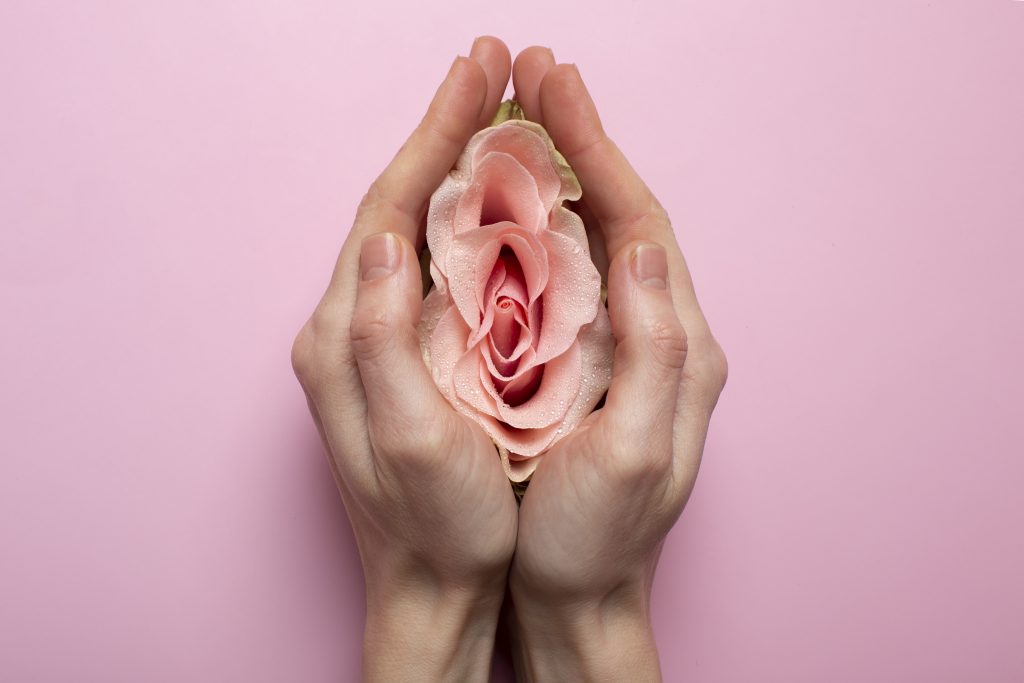
We hear lots about collagen when it comes to our skin, hair, nails and joints, but could it also have a role to play in vaginal health during peri-menopause and menopause?
It’s an interesting question, and one I’ve recently found myself looking into.
As oestrogen levels fluctuate and decline during menopause, vaginal tissues can become thinner, less elastic and less well hydrated.
Natural lubrication can decrease too, which for some women can mean dryness, irritation or discomfort.
And of course, if sex becomes uncomfortable, it’s hardly surprising that we might feel less inclined to do it!
So where does collagen come in?
Collagen is an important structural protein found throughout the body, including our connective tissues.
We naturally produce less of it as we age, and hormonal changes around menopause can also affect collagen and the tissues it supports.
There is now some early research looking at whether oral collagen peptides could help support vaginal tissue during menopause.
A small 2025 study found improvements in vaginal dryness, moisture, elasticity and tissue quality when a collagen-containing supplement was used alongside a vaginal treatment.
There were also improvements in measures of sexual function in related research.
Now, before we get too excited, these were small studies, and the supplements used contained collagen alongside other ingredients.
So we can’t say that taking a collagen supplement will treat vaginal dryness.
But I do think the research is interesting.
Could it also affect libido?
Possibly, but perhaps not directly.
If vaginal tissues are healthier and better lubricated, sex may be more comfortable and enjoyable.
And when something feels good rather than uncomfortable, our desire for it may naturally increase.
Should we all be taking collagen?
I don’t think there’s a simple answer yet.
The research is still in its early stages, and collagen isn’t a replacement for oestrogen or other treatments that may be appropriate for vaginal dryness.
But I do think it’s another interesting piece of the menopause puzzle.
As always, I’m a big believer in looking at the whole picture rather than searching for one magic solution.
Nutrition, movement, strength, sleep, stress management, pelvic health and appropriate medical support can all have a part to play.
If you’re experiencing vaginal dryness or discomfort, please don’t just accept it as something you have to put up with.
A little personal observation…
I’d been taking collagen consistently for a while, but decided to stop for a bit, just to see if I noticed any difference.
When I started taking it again, one of the first things I noticed was that my nails seemed to grow more quickly.
But my nail growth wasn’t the only thing I noticed…
That got me thinking – could there actually be more to this than just healthier-looking nails?
I couldn’t say for certain that collagen was responsible, particularly when we’re talking about hormones and all the changes that happen during peri-menopause, but it made me want to find out a little more.
And that’s when I discovered there is some really interesting, albeit early, research looking at collagen and vaginal health.
Sometimes, looking a little deeper into something that catches our attention can lead to some pretty interesting discoveries.
Sam ‘always curious’ Hobbs