


Weekly Update
Omega-3 – The unsung hero of everyday health
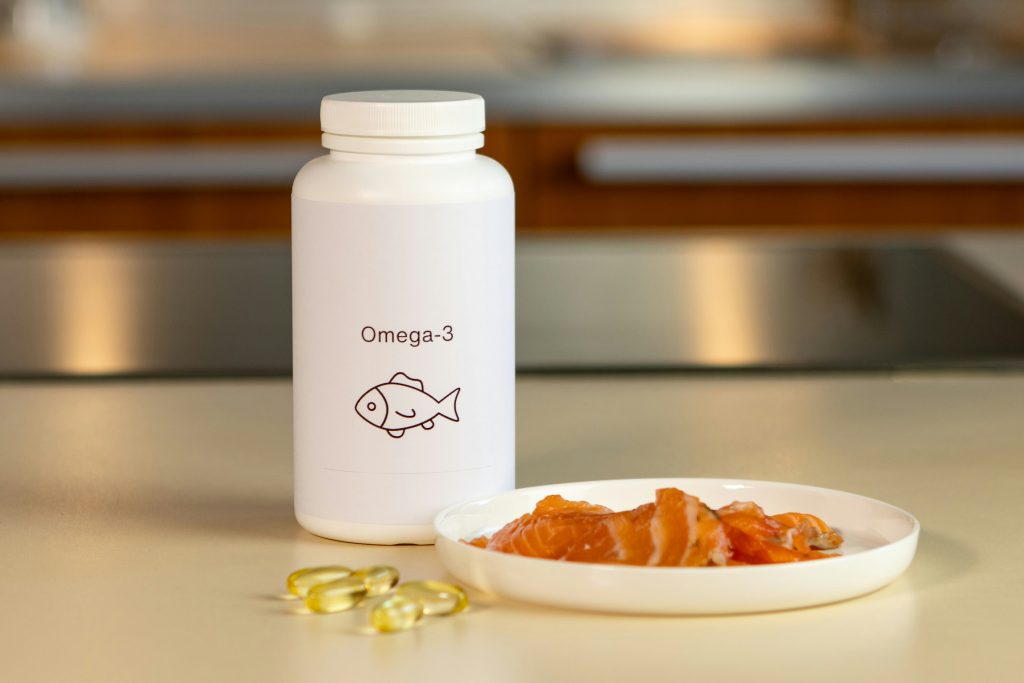
You’ve probably heard about Omega-3 before – usually alongside a picture of fish, a bottle of capsules, or a headline about heart health.
But what actually is it, and why should we care?
Let’s break it down in simple terms, without the jargon or the hype.
What is Omega-3?
Omega-3’s are a type of essential fatty acid, which basically means your body can’t make them on its own.
We have to get them from food. They’re crucial for keeping our cells, heart, brain, eyes, and even our skin functioning well.
There are three main types you’ll hear about:
- ALA – found in plant sources like flax seeds, chia, and walnuts.
- EPA & DHA – the real power duo, mainly found in oily fish such as salmon, sardines, and mackerel.
Your body can convert a little ALA into EPA and DHA, but not much. So if you don’t eat fish, it’s worth finding another way to top up.
Why Omega-3 Matters
Omega-3’s are a bit like the oil that keeps the engine of your body running smoothly.
- For the heart: They help reduce inflammation and can support healthy cholesterol and blood pressure levels.
- For the brain: Our brains are around 60% fat, and Omega-3 plays a big role in how our brain cells communicate. Low levels have even been linked to mood changes and ‘brain fog’
- For joints and muscles: Omega-3 has anti-inflammatory properties, which can ease stiffness and soreness – especially handy if you’re active, lifting, or doing Pilates regularly.
- For skin: Think of it as hydration from the inside out. Omega-3 supports the skin barrier, helping keep it soft and resilient.
Basically, it’s one of those nutrients that quietly supports you in the background, every day.
Where to find it
Here are a few simple ways to bring more Omega-3 into your diet.
- Oily fish: salmon, sardines, mackerel, trout, anchovies.
- Plant options: chia seeds, flax seeds, hemp seeds, walnuts.
- Supplements: fish oil or algae oil (great for vegetarians and vegans).
If you’re not a fan of fish, algae oil is a brilliant alternative – it’s where the fish get their Omega-3 from in the first place!
A note on balance
Omega-3 often gets overshadowed by Omega-6, another type of fatty acid found in processed foods and vegetable oils.
The key is balance.
We tend to get plenty of Omega-6 already, so it’s worth being a bit more intentional about Omega-3. Think of it as restoring harmony rather than cutting things out.
Sam ‘pass the smoked salmon please’ Hobbs